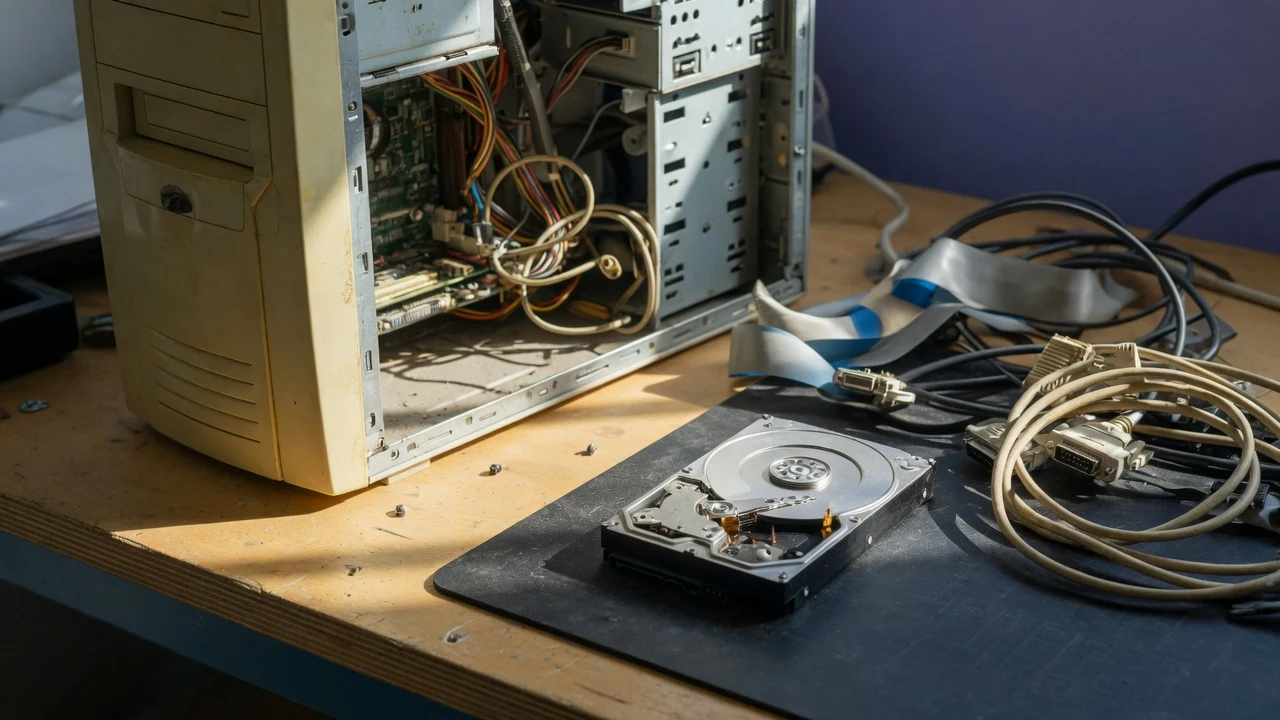
Windows XP (or older), Windows 7, and Windows 8. All are long past the end of security support, which means they no longer receive fixes for newly discovered vulnerabilities. A machine running one of these cannot be made secure, only isolated — and on a shared network it is a risk to everything else connected to it.
Minimum technology standards.
There is a point below which equipment cannot be supported properly, no matter how good the people working on it are. This page says plainly where that line sits, what happens if something in your environment falls below it, and how we work with you to get there. Nobody enjoys finding this out during an outage.
Why this page exists / in plain English
We would rather tell you now.
These are the requirements we need in place to meet our service obligations. They exist so that we can actually deliver what we promise — not as a way of turning work away.
An unsupported operating system stops receiving security patches. That is not a matter of preference or taste: it means known vulnerabilities stay open permanently, and no amount of care from us closes them. A machine that cannot run current security tooling cannot be monitored or protected the way the rest of your network is, and one such machine on a network undermines the protection on every other machine sharing it.
This list will be updated from time to time. It is worth checking back.
The line / what we currently do not support
Currently, we do not support:
Celeron-class processors. These are not merely slow — once security tooling, a browser with a realistic number of tabs, and a line-of-business application are all running, the machine spends its day at full load. The result is a computer that is unusable for the person sitting at it and effectively impossible to support, because everything looks like a fault when it is really just saturation.
If something in your environment is on this list, it is not a judgement. It is a plan we need to make together.
If you are not there yet / the transitional phase
Nobody is expected to arrive perfect.
If you do not have all of these standards in place when your agreement starts, that is normal, and it does not stop us working together.
We will build a plan with you to bring the environment up to standard. We know that takes time and depends on both timing and budget, so during the transitional phase we will do our best to support items that do not yet meet these standards. The goal is a realistic path, not an invoice on day one for replacing everything at once.
One thing said plainly, because it is the part people are surprised by later: if an item requiring support does not meet these minimum standards, it is at our sole discretion whether we charge for time spent supporting it. Old equipment routinely takes several times longer to work on, and that time is real. We would much rather have this conversation in advance than in a bill.
PLAN
Built with you, not imposed
TIME
Phased to your budget
CLEAR
Told up front, not at billing
Not sure where your equipment stands?
Let us take a look.
We will tell you what meets the standard, what does not, and what genuinely needs replacing first — in that order, so the budget goes where it matters.